
You know that moment just a quick step outside, and suddenly your cheeks are glowing pink. That’s why SPF should always be in your daily routine. Doesn’t matter if you’re headed to the beach, stuck at your desk, or grabbing groceries. Once you understand how SPF works, you can save your skin from burns, dark patches, and premature wrinkles. This guide will clear up what SPF really means, how to pick the right one, and how to use it correctly.
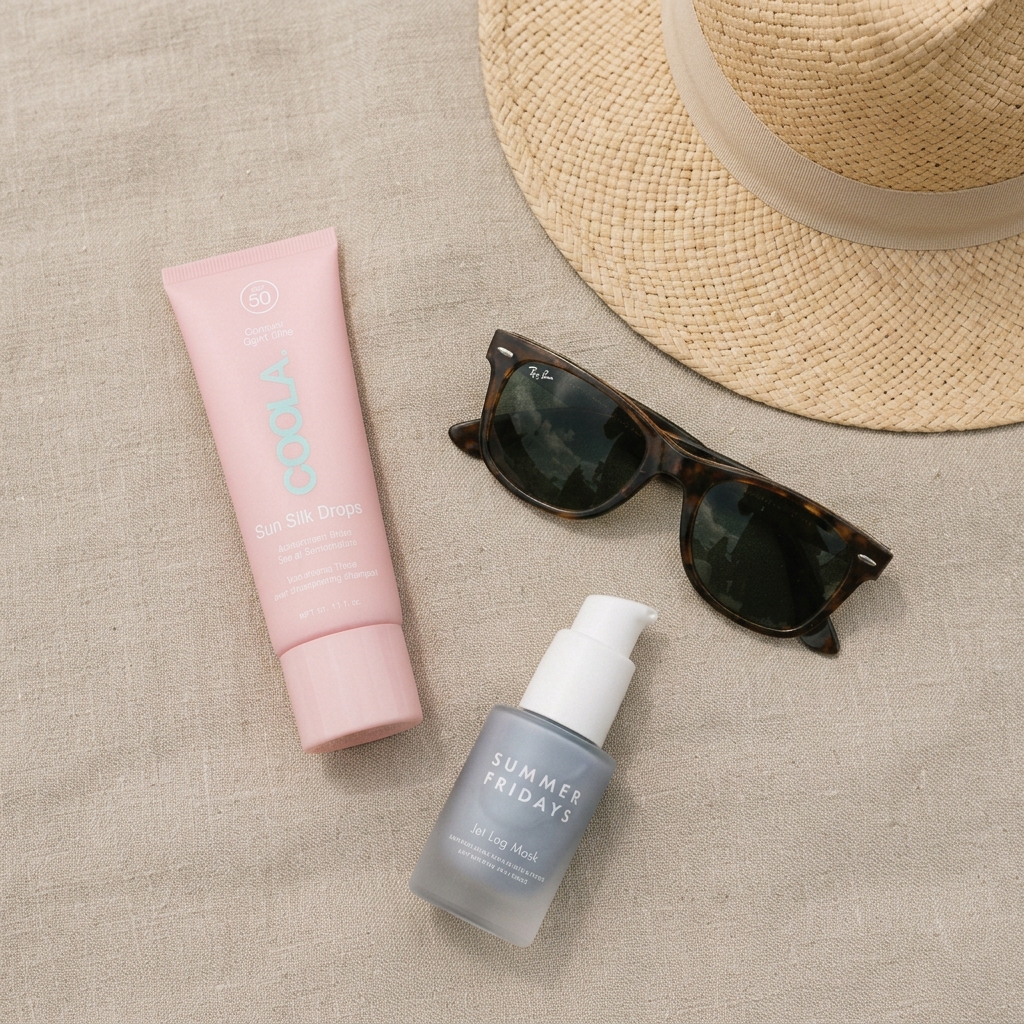
What Does SPF Actually Mean?
SPF stands for Sun Protection Factor, which basically tells you how well something keeps UVB rays off your skin those are the rays that burn. SPF 30 blocks about 97% of those rays. SPF 50 ups it to 98%. Might seem like a tiny difference, but trust me, it matters if you’re outside for a while.
Here’s what most people don’t realize: SPF only covers UVB. UVA rays are another problem they’re the ones causing tanning, spots, and those early wrinkles nobody wants. That’s why you always need to check for “broad spectrum” on the label. The American Academy of Dermatology backs this up, recommending broad-spectrum protection for every day.
How to Choose the Right SPF for Your Skin
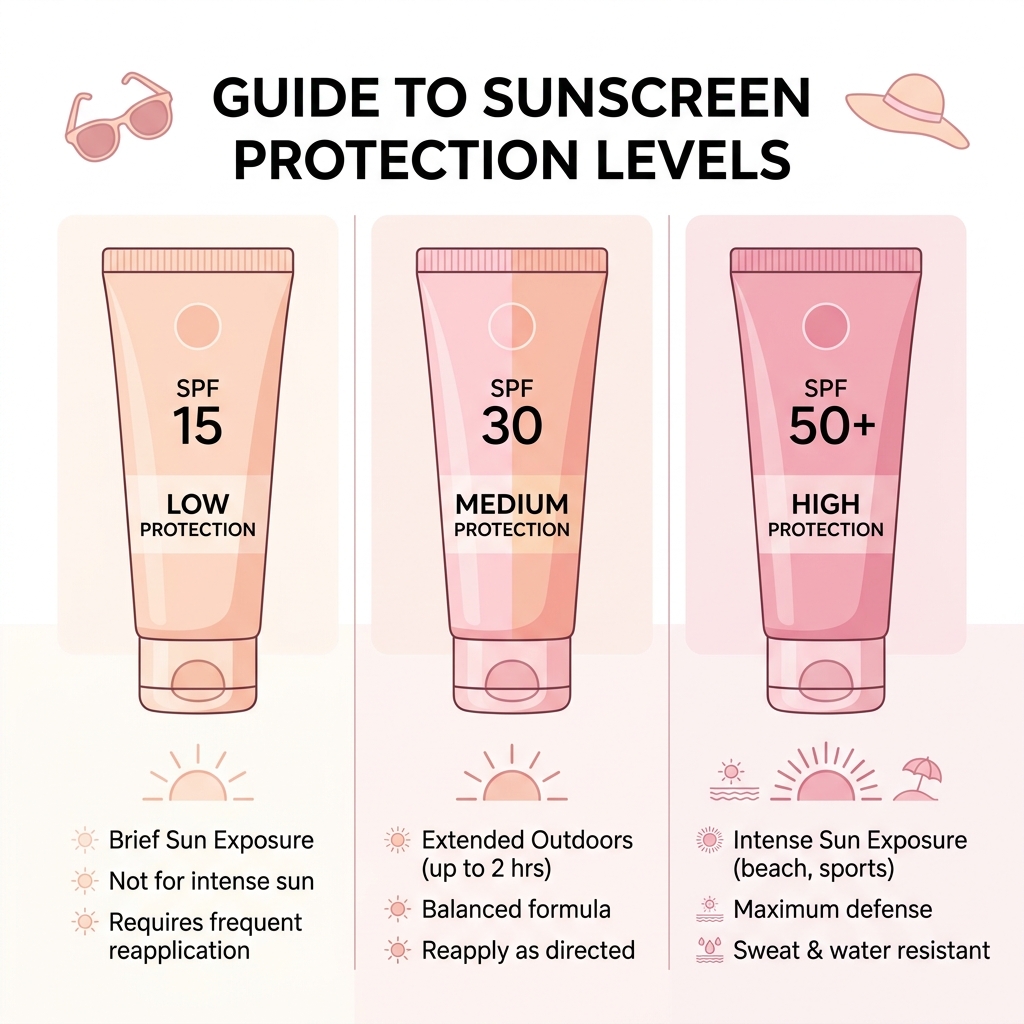
You don’t need the same sun protection for every day out. Here’s a quick guide:
- SPF 15: This is the absolute minimum. It’s okay if you’re just popping out for a minute or mostly inside, but honestly, most dermatologists recommend something stronger.
- SPF 30: This one’s great for everyday use think commuting, running errands, or spending a normal day at the office.
- SPF 50: Go with this if you’re heading to the beach, staying outside for hours, have very fair skin, or deal with pigmentation and melasma.
In the end, the best sunscreen is the one you’ll actually use. Find one with a texture and finish you like, and make sure it doesn’t leave a white cast. If you want more easy sun protection tips, check out our guide on healthy habits.
Sun Protection Tips for Oily Skin
People with oily skin often skip sunscreen because they worry it’ll end up greasy or trigger breakouts. But honestly, going without isn’t the answer. Hunt for a lightweight SPF think gels, fluids, or mattifying formulas and check if it’s “non-comedogenic” on the label. Water-based sunscreens are great under makeup and won’t leave your skin looking shiny. If you’re curious about why your skin is oily and how to take care of it, check out our article on causes and care tips.
How to Apply Sunscreen Correctly
No matter how good your sunscreen is, it won’t help if you use it wrong. Here’s what you need to do:
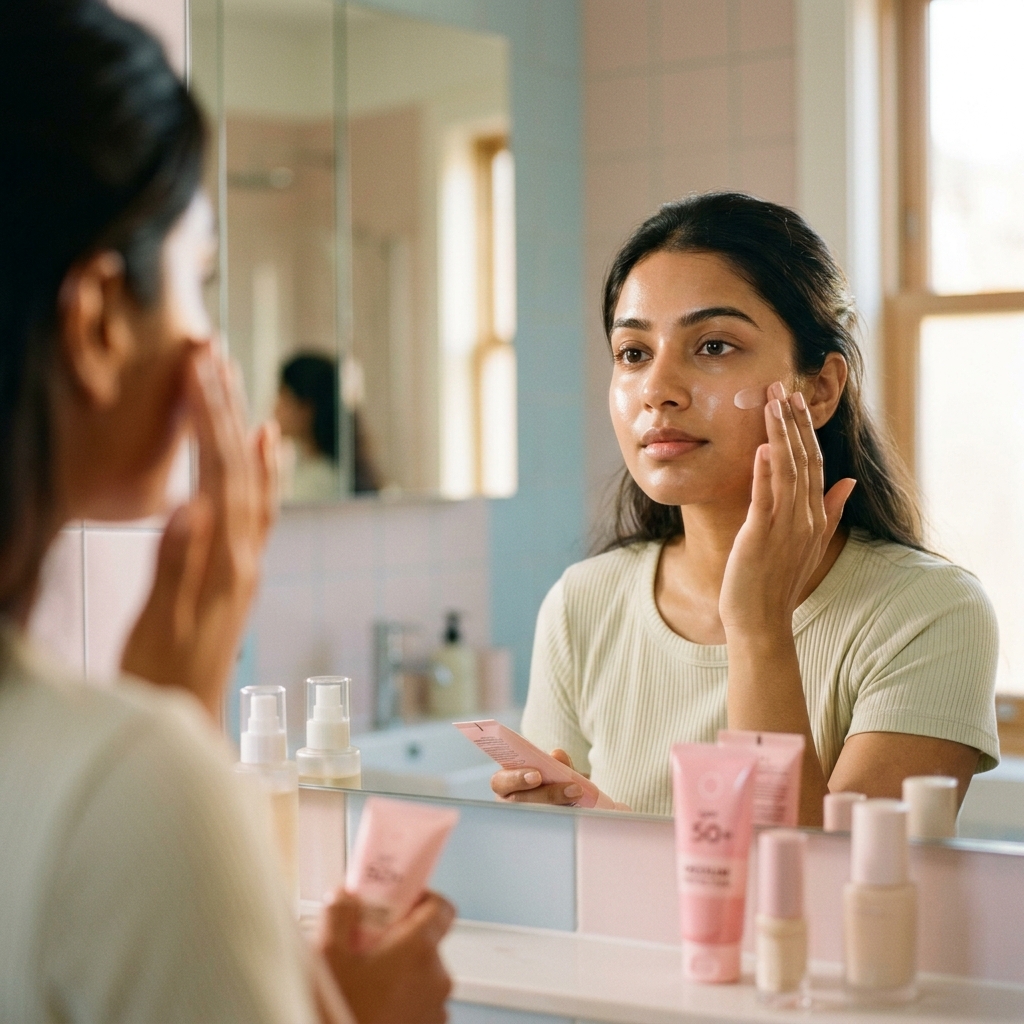
1. Use enough. About half a teaspoon covers your face and neck, or try the “two-finger rule” just squeeze sunscreen down the length of your index and middle fingers.
2. Apply early. Put it on 15 to 20 minutes before you head outside so it settles in.
3. Reapply. Every two hours, plus after swimming or sweating a lot.
4. Don’t miss the extras. Your ears, neck, lips, hands, and even the tops of your feet can burn.
Make SPF the last step in your morning routine right after moisturizer and before makeup. If you want your skincare to do more, look for ingredients that boost collagen and keep your skin firm and healthy.
Common Sunscreen Myths You Should Stop Believing
Myth 1: I have dark skin, so I don’t need SPF.
Sure, melanin does offer some extra protection, but it’s not a magic shield. People with darker skin still get sun damage, uneven skin tone, and yes, skin cancer. Sunscreen isn’t just for pale folks everyone needs it, every day.
Myth 2: Makeup with sun protection is enough.
Let’s be real you’d have to pile on a ridiculous amount of foundation or powder to actually hit the SPF number listed. Don’t rely on makeup alone. Start with real sunscreen, then layer makeup if you want. Think of makeup as a little bonus, not your main defense.
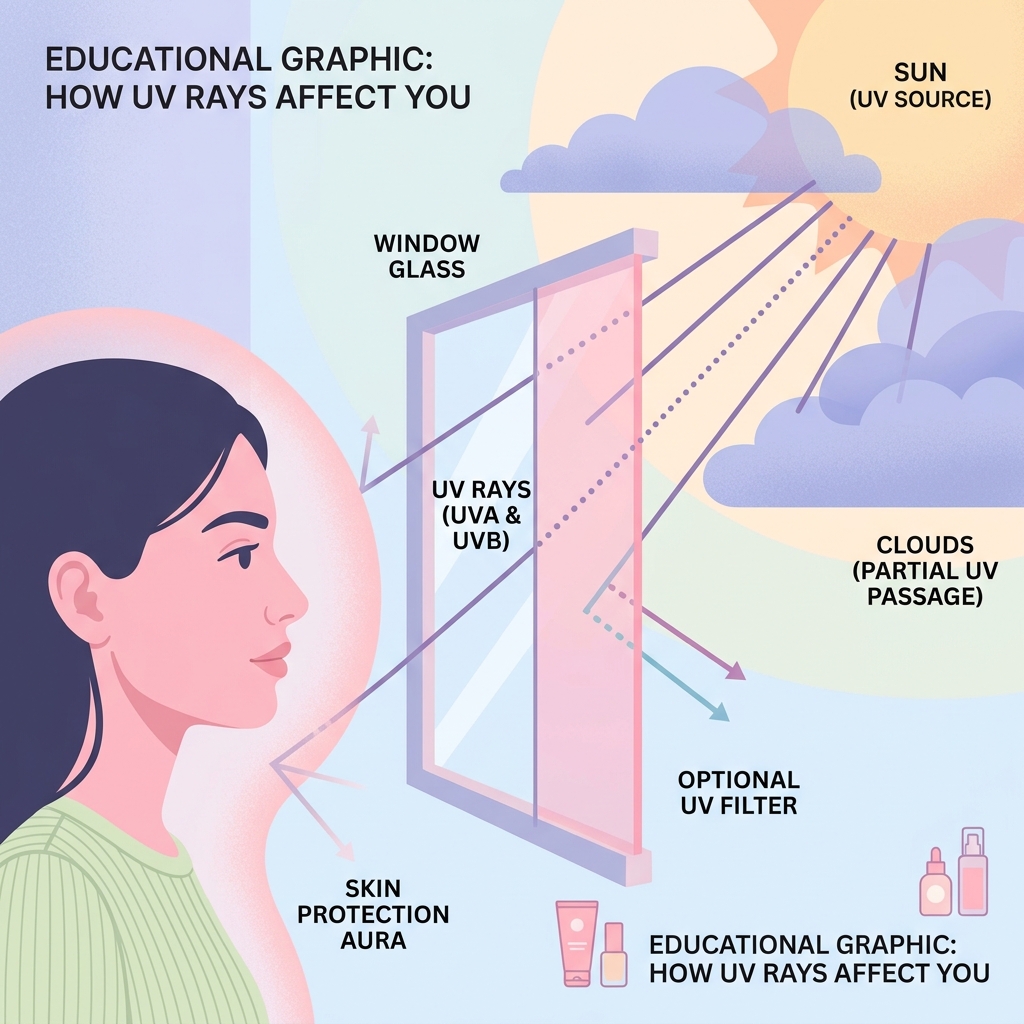
Myth 3: I can skip sunscreen on cloudy days or when I stay inside.
Clouds aren’t as protective as you think. Actually, something like 80% of UV rays still get through, and UVA rays can creep right in through windows. If you want to protect your skin, make sunscreen part of your daily routine, rain or shine.
If you want the nitty-gritty details on how sunscreen is tested and regulated, check out the U.S. FDA’s sunscreen guide. It’s solid, straightforward, and worth a look.
Sun protection isn’t just for summer or something you grab on your way to the beach. Honestly, it’s one of the easiest ways to keep your skin healthy, clear, and looking young. Just choose a broad-spectrum sunscreen, use plenty of it, and don’t forget to reapply throughout the day. Your skin will thank you later. So before you head out into the sun, take half a minute and put on your sunscreen. It’s a small thing, but it really makes a difference.
Pingback: The 15 Best Sun-Care Tips for Keeping Your Skin Healthy